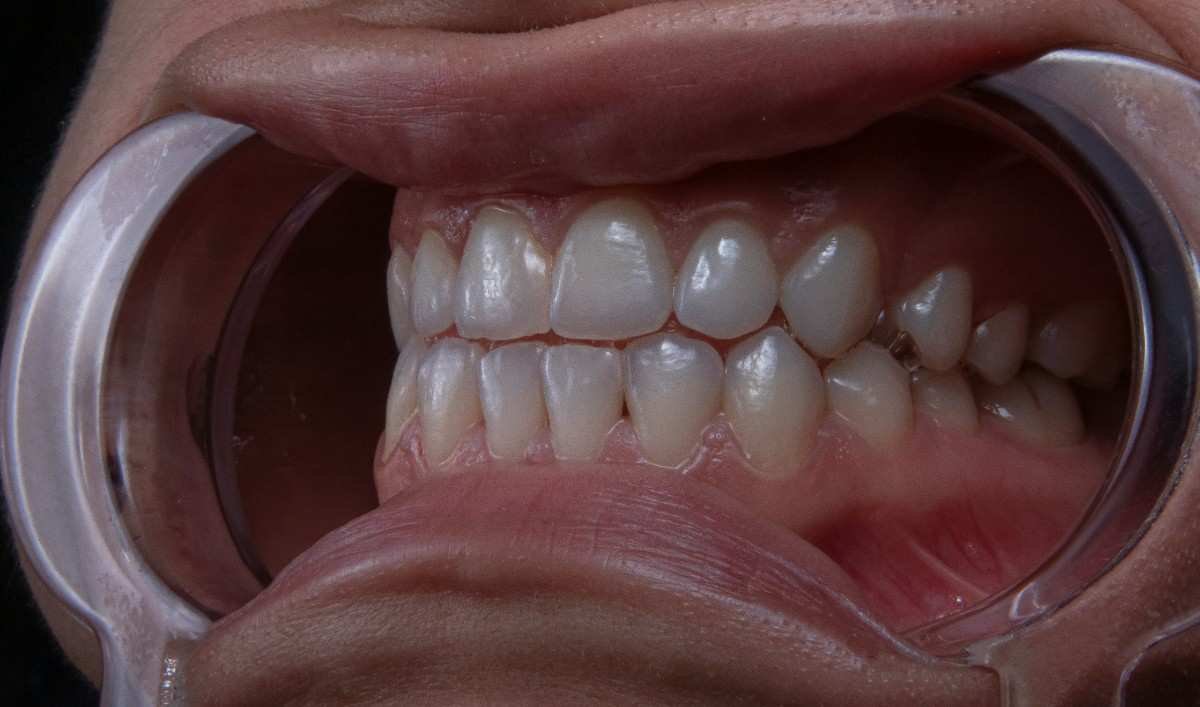
Cracked Teeth
Cracked teeth are a common dental problem that can cause discomfort, sensitivity, and even lead to more serious issues if untreated. At our clinic, we provide expert diagnosis and treatment for Cracked Teeth to preserve your natural teeth, relieve pain, and restore full function with minimally invasive techniques.
🌟 Why Is Treating Cracked Teeth Important?
-
Prevents worsening cracks and potential tooth loss
-
Relieves pain and sensitivity caused by cracks
-
Avoids infection or abscess formation
-
Restores chewing ability and comfort
-
Preserves your natural smile and prevents the need for extraction or implants
🔍 What Are Cracked Teeth?
A cracked tooth occurs when a fracture develops in the hard outer enamel or deeper into the dentin and pulp. Cracks can be minor or severe, and they often result from trauma, grinding, chewing hard foods, or natural wear.
🦷 Types of Cracks in Teeth
-
Craze Lines
-
Small, superficial cracks only in the enamel
-
Usually painless and mostly cosmetic
-
Fractured Cusp
-
A piece of the tooth’s chewing surface breaks off
-
Can cause sensitivity but often does not affect the pulp
-
Cracked Tooth
-
A crack extends from the chewing surface toward the root
-
May cause pain when chewing or sensitivity to temperature
-
Split Tooth
-
A crack has progressed and split the tooth into distinct segments
-
Usually requires extraction or advanced restorative treatment
-
Vertical Root Fracture
-
Crack begins in the root and extends upward
-
Often requires tooth extraction
⚠️ Causes of Cracked Teeth
-
Biting or chewing hard foods such as ice, nuts, or hard candy
-
Teeth grinding (bruxism) or clenching, especially at night
-
Sudden trauma or injury to the mouth
-
Large fillings that weaken tooth structure
-
Age-related wear and tear
🦷 Symptoms of a Cracked Tooth
-
Sharp pain when biting or releasing pressure
-
Sensitivity to hot, cold, or sweet foods and drinks
-
Intermittent discomfort that comes and goes
-
Swelling around the affected tooth or gum
-
Difficulty chewing on one side of the mouth
🛠️ How Are Cracked Teeth Diagnosed?
-
Detailed dental exam using magnification and special lighting
-
Digital X-rays to check for fractures or infection
-
Bite tests to identify pressure points causing pain
-
Sometimes 3D imaging (CBCT) for complex cracks
🦷 Treatment Options for Cracked Teeth
1. Bonding
-
For minor cracks, dental bonding uses tooth-colored resin to seal and protect the tooth surface.
2. Dental Crowns
-
For moderate cracks, a custom-made crown covers the tooth to hold it together and restore strength.
3. Root Canal Therapy
-
If the crack extends into the pulp causing infection or pain, a root canal is done to remove the damaged tissue.
4. Extraction
-
For severe cracks like split or vertical root fractures, the tooth may need to be removed and replaced with an implant or bridge.
⏳ Prognosis and Longevity
Early diagnosis and treatment improve the chances of saving a cracked tooth. Without treatment, cracks can worsen and cause severe pain or infection. With proper care, treated cracked teeth can last many years.
⚠️ Tips to Prevent Cracked Teeth
-
Avoid chewing on hard objects (ice, pens, hard candy)
-
Wear a night guard if you grind or clench your teeth
-
Use proper mouthguards during sports activities
-
Maintain regular dental check-ups to detect early issues
-
Address dental problems like large fillings promptly
❓ Frequently Asked Questions (FAQs)
Q: How do I know if my tooth is cracked?
A: Common signs include sharp pain when biting, sensitivity, or visible cracks. A dental exam confirms diagnosis.
Q: Is a cracked tooth a dental emergency?
A: It depends on severity. If you have severe pain, swelling, or a large chip, see a dentist immediately.
Q: Can cracked teeth be saved?
A: Many cracked teeth can be saved with timely treatment such as bonding, crowns, or root canals.
Q: Does treatment hurt?
A: Procedures are performed with local anesthesia to minimize discomfort.
Q: What if I ignore a cracked tooth?
A: Ignoring it may lead to infection, tooth loss, and more complex treatments.
📞 Schedule Your Cracked Tooth Consultation Today!
Don’t wait until the pain worsens. Contact us to get a thorough evaluation and personalized treatment plan to save your tooth and smile.
📍 Visit our clinic | 💻 Book online | 📞 Call us now